← Back to Cities Built for Human Beings
City identity & design

Consistent urban design language for the Maldives

Malé has no formally recognised visual language. These guidelines propose one – rooted in the materials, patterns, and proportions already present in the city's most significant historical buildings.

Draft by Public Policy Lab · ◷ 5 min read
The problem

The case for a consistent visual language

Cities with distinct visual identities – Santorini's white-and-blue cliff buildings, Kyoto's low wooden streetscapes, Havana's pastel colonial facades – did not arrive at those identities by accident. They emerged from the intersection of local materials, climate, history, and building traditions over time. The visual consistency creates a sense of place that residents identify with and visitors remember.

Malé currently has no formally recognised visual language. Recent development has produced a cityscape dominated by blocky concrete structures, single-colour shiny panels, tinted glass, and no ornamentation. These buildings could be in any rapidly developing city in the world. They have no connection to the Maldives' architectural history, natural environment, or cultural patterns.

A consistent design language does two things. For residents, it creates a sense of place and civic identity – the feeling that your city looks like itself and not like everywhere else. For visitors, it creates the visual distinctiveness that makes a place memorable and worth returning to. Both outcomes serve the city's interests.

The foundation

Medhuziyaaraiy, Munnaaru, and Hukuru Miskiyy

The proposed design language is built on the visual vocabulary of the Medhuziyaaraiy, Munnaaru, and Hukuru Miskiyy complex – the oldest and most architecturally significant cluster of buildings in the Maldives. These structures already contain a coherent set of colours, materials, and patterns that are distinctly Maldivian.
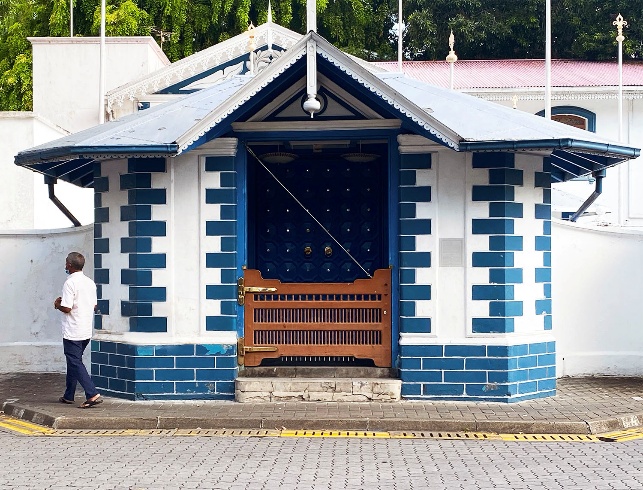
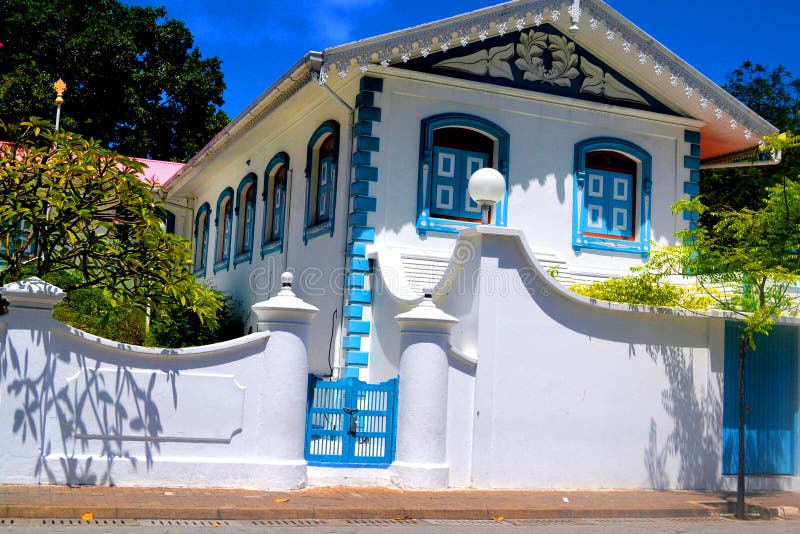
Medhuziyaaraiy entrance with white and blue blocks and traditional door
Medhuziyaaraiy entrance – white and blue blocks with traditional door
Traditional Maldivian building with white-blue colour scheme, ornate gables, and floral carvings
Traditional Maldivian building – white-blue palette, ornate gables, floral carvings
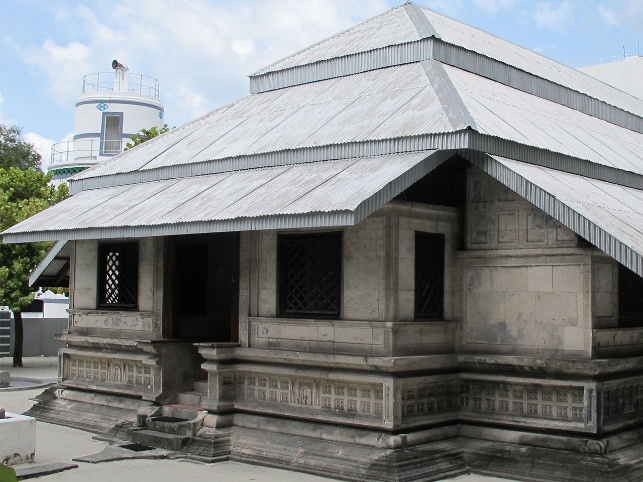
Hukuru Miskiyy weathered coral stone structure
Hukuru Miskiyy – weathered coral stone structure
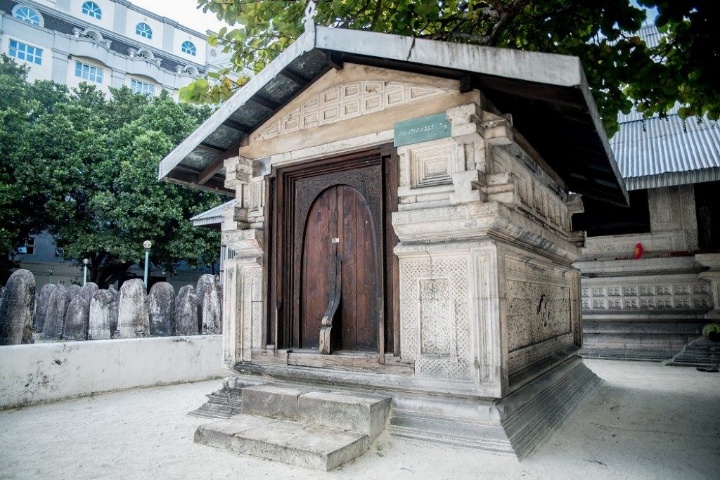
Hukuru Miskiyy entrance with carved stone and ancient gravestones
Hukuru Miskiyy entrance – carved stone and ancient gravestones
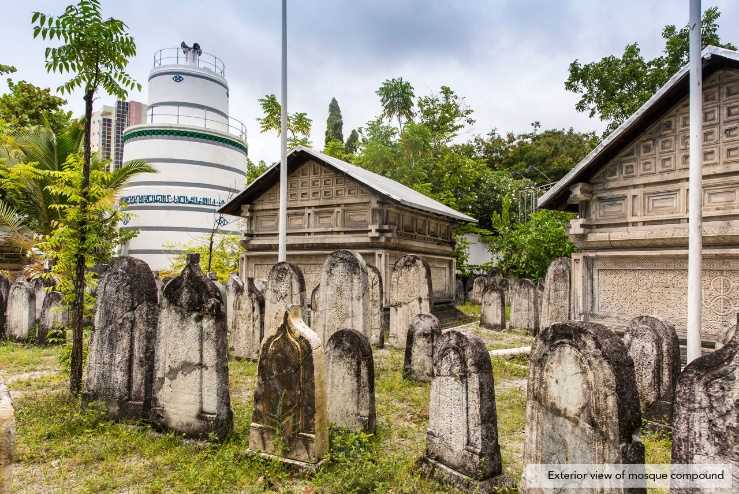
Mosque compound exterior with Munnaaru lighthouse visible
The Hukuru Miskiyy compound with Munnaaru – the architectural touchstone for the proposed design language
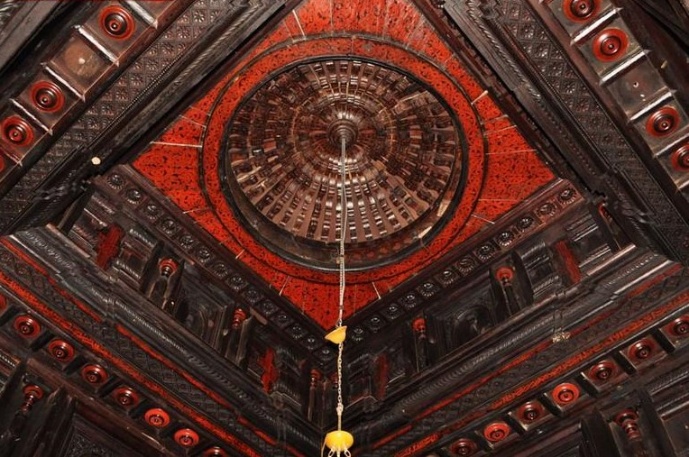
Hukuru Miskiyy interior ceiling with ornate red lacquer woodwork
Hukuru Miskiyy interior ceiling – ornate red lacquer woodwork

Colour palette

White with blue blocks or patterns. This is the dominant colour scheme of the Munnaaru and the surrounding complex – clean white surfaces punctuated by panels or decorative elements in shades of blue. It connects to the ocean environment, reads clearly in bright tropical light, and is already associated with Maldivian identity internationally.

White
Blue
Deep blue
Coral stone
Wood

Materials

Weathered or bleached stone and varnished woods. The Hukuru Miskiyy and Medhuziyaaraiy are built from coral stone that has aged to a pale, textured finish – warm and organic rather than the flat, glossy surfaces of contemporary Malé construction. Interior elements use carefully finished dark wood. These material textures can be referenced in modern construction through surface treatments, cladding choices, and material palettes that evoke the same qualities without requiring literal coral stone.

Patterns

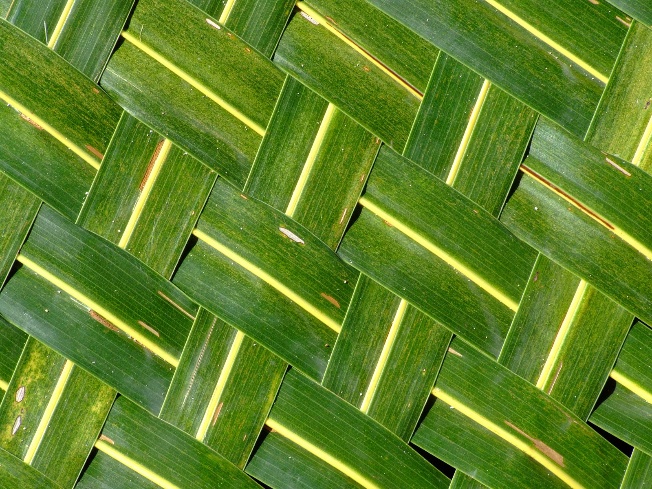
Islamic geometric patterns like those carved into the interior panels of Hukuru Miskiyy – intricate, mathematically precise designs adapted to Maldivian materials and scale. Alongside these, coconut leaf cross-thatching and weaving patterns from traditional craft. These two pattern traditions – geometric Islamic and organic woven – form the decorative vocabulary.
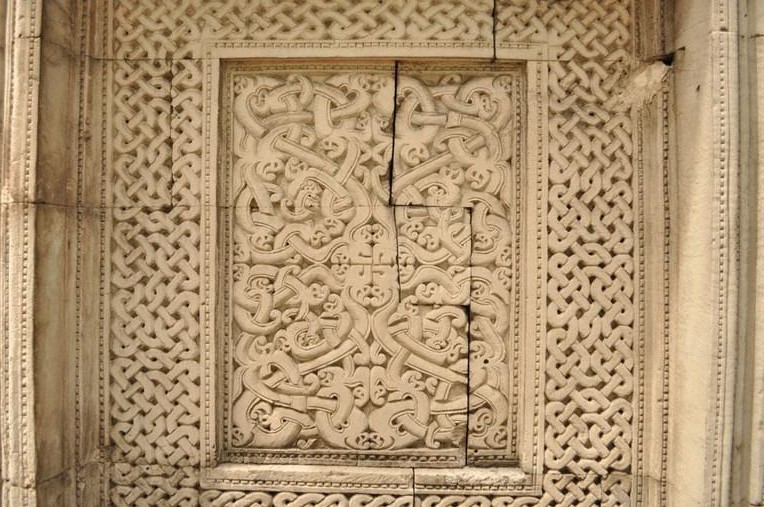
Islamic geometric carving from Hukuru Miskiyy
Islamic geometric carving – Hukuru Miskiyy
Traditional woven coconut leaf pattern
Coconut leaf cross-thatching – traditional weaving pattern
Extended vocabulary

Other design elements

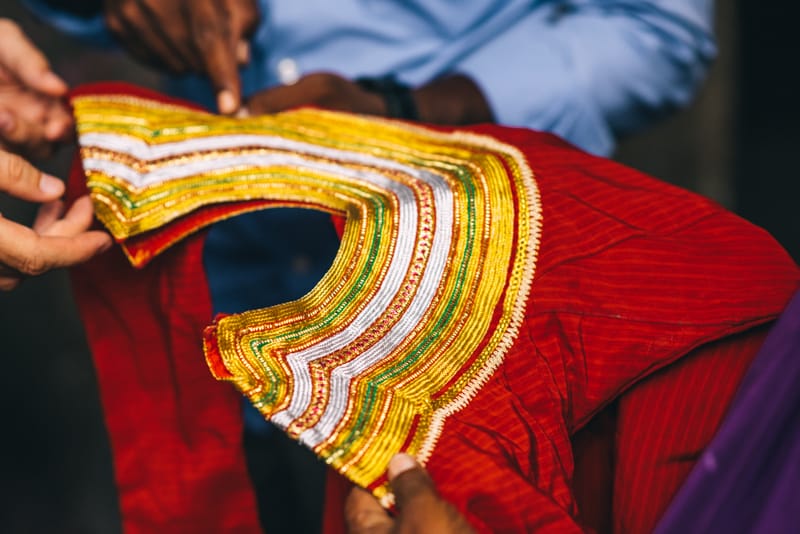
Textile and craft patterns

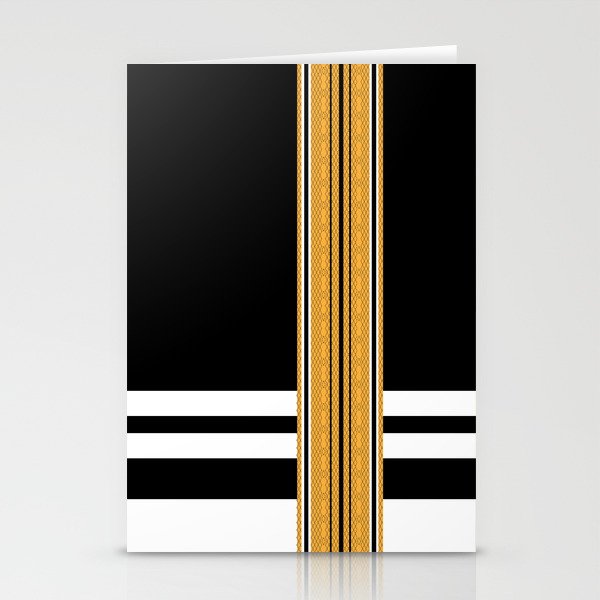
Stripes and lines from traditional Maldivian textiles – the liyela, the feyli, and the libaas. These linear patterns translate to architectural elements like railings, screen walls, and facade detailing.

Liyela stripe pattern in black, white and gold
Liyela stripe patterns
Traditional Maldivian textile embroidery
Traditional textile embroidery

Nature-inspired facades

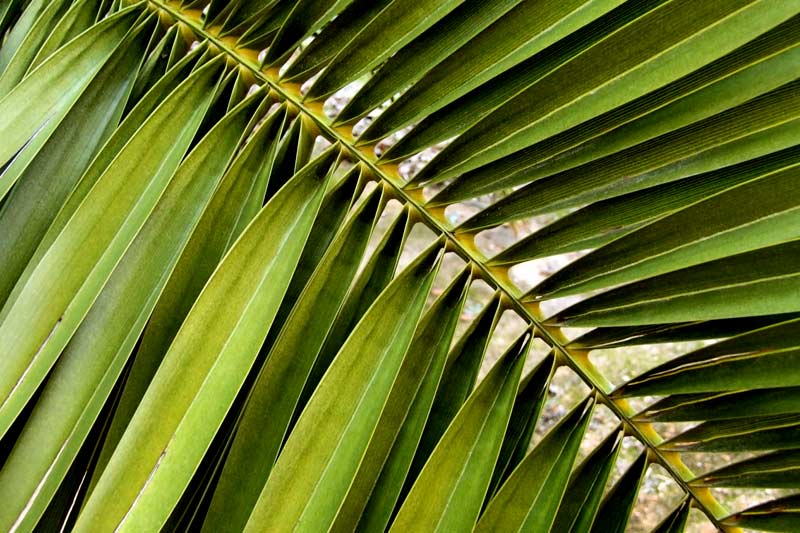
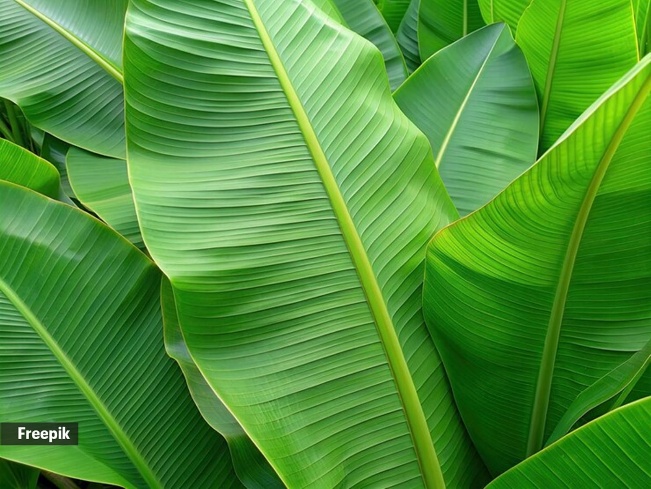
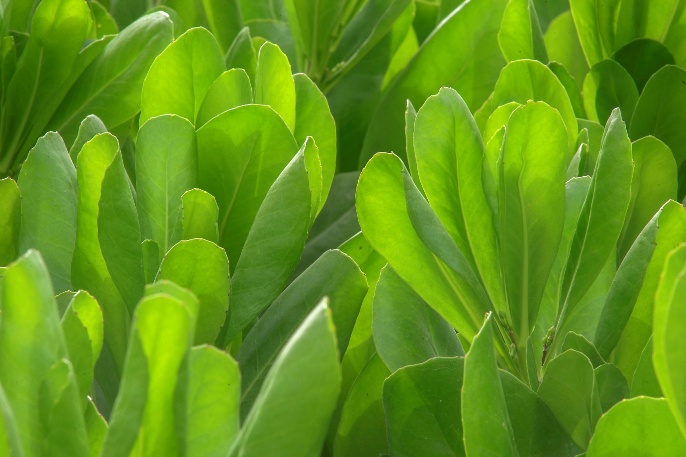
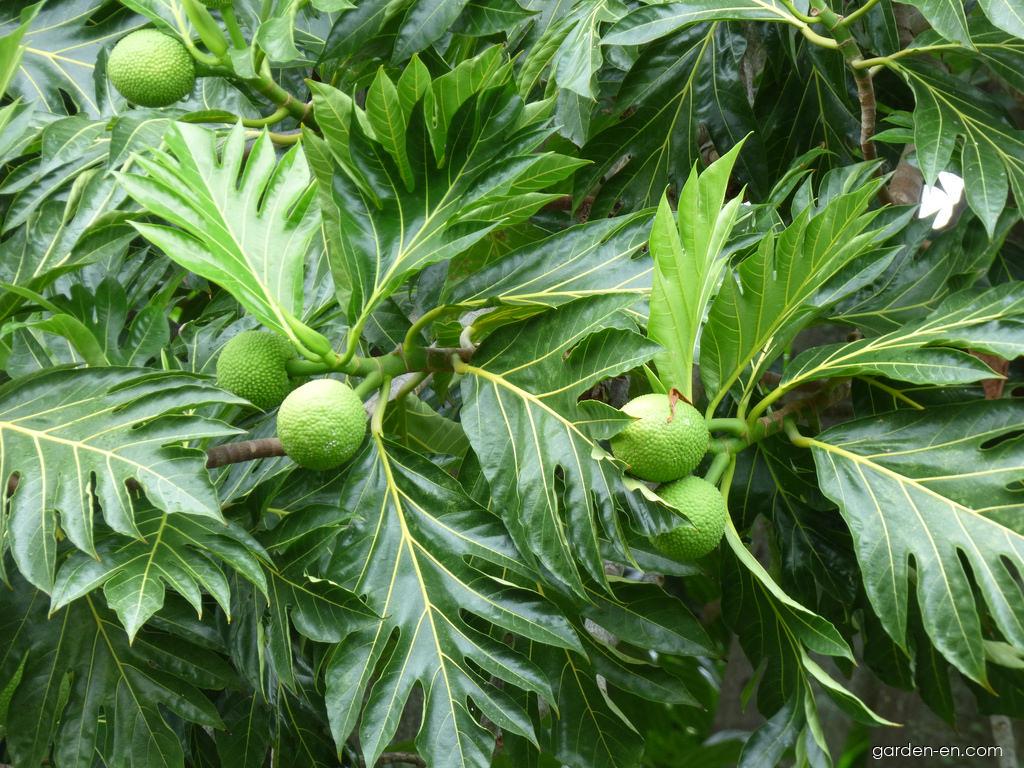
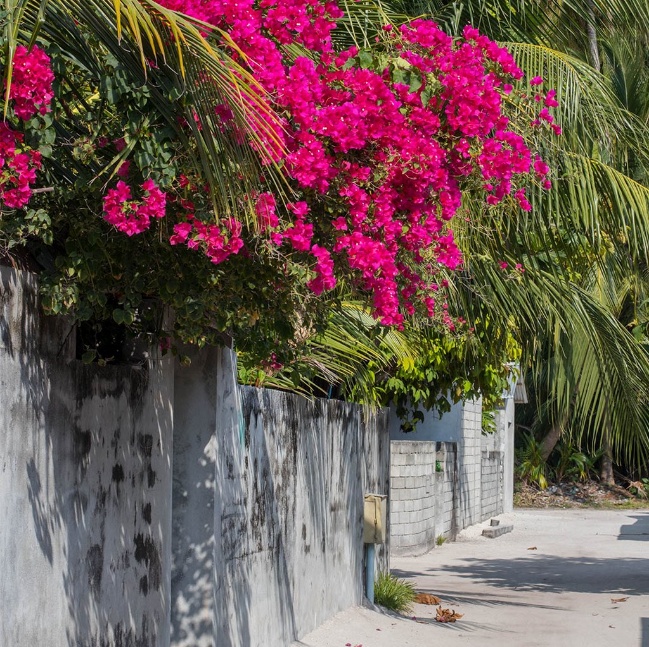
The natural environment provides forms for architectural interpretation – coconut palm fronds, banana leaf textures, the dense clusters of the magoo plant, the silhouettes of banyan, breadfruit, and jackfruit trees, and the pink bougainvillea that already appears across the city.

Coconut palm frond
Coconut palm frond
Banana leaf texture
Banana leaf
Magoo screwpine plant clusters
Magoo (screwpine)
Breadfruit tree
Breadfruit
Pink bougainvillea cascading over a wall
Bougainvillea
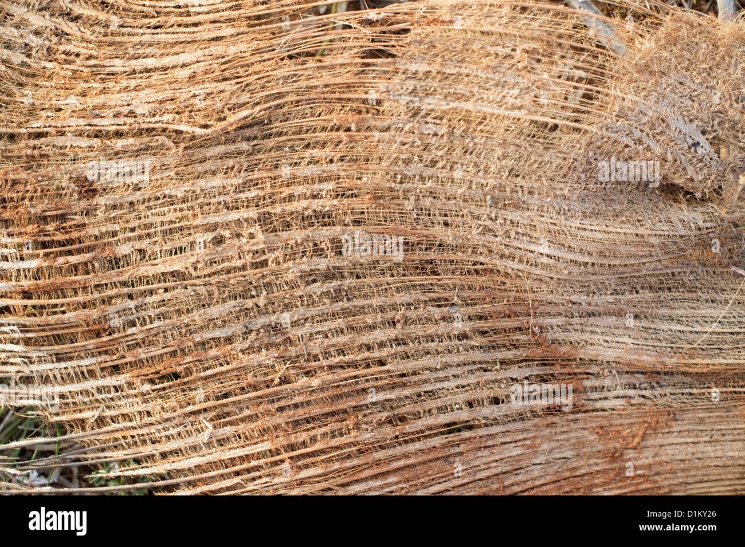
Coconut fiber texture
Coconut fibre

Modern elements

Not everything in the design language comes from historical sources. Some distinctly modern elements are already characteristic of the Maldivian built environment:

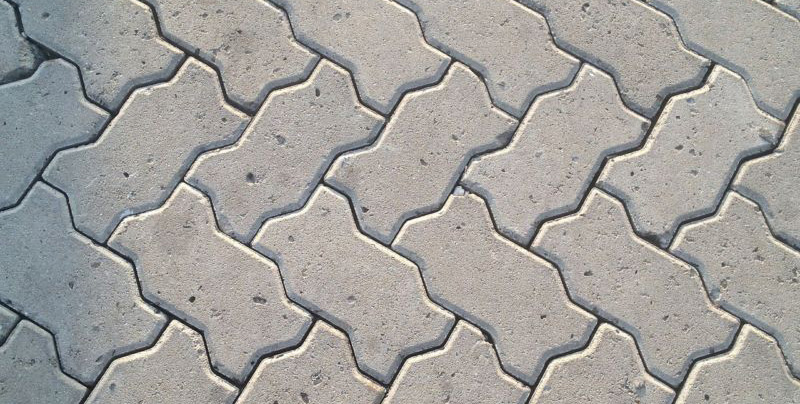
Grey interlocking pavement blocks
Interlocking pavement blocks – tessellated pattern echoing Islamic geometric traditions
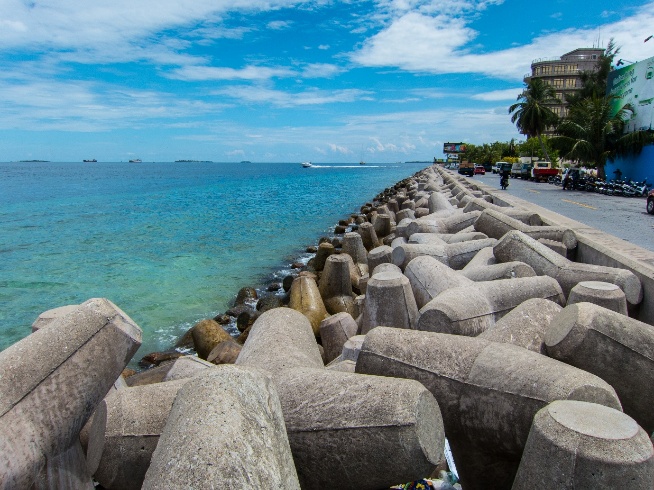
Tetrapod breakwaters along Malé coastline
Tetrapod breakwaters – an inadvertent visual signature of the Maldivian coast

Standardised Faruma typography for Dhivehi (Thaana) on public signage, and consistent English typefaces for wayfinding, would tie the written environment together across the city.

Examples

What this looks like in practice

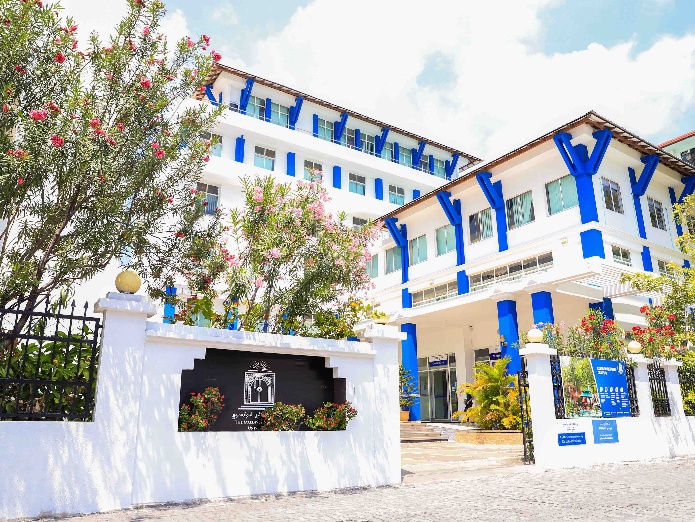
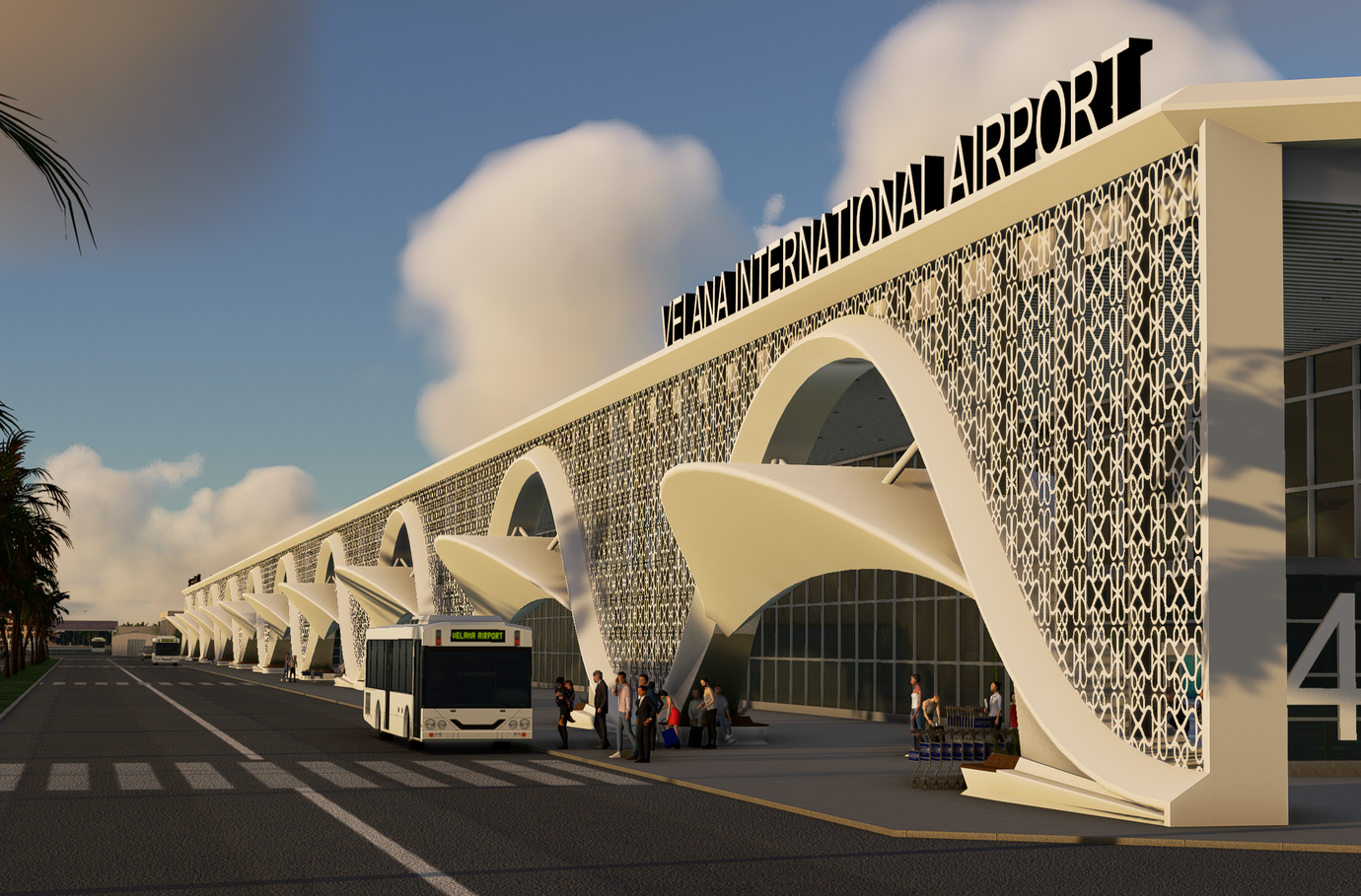
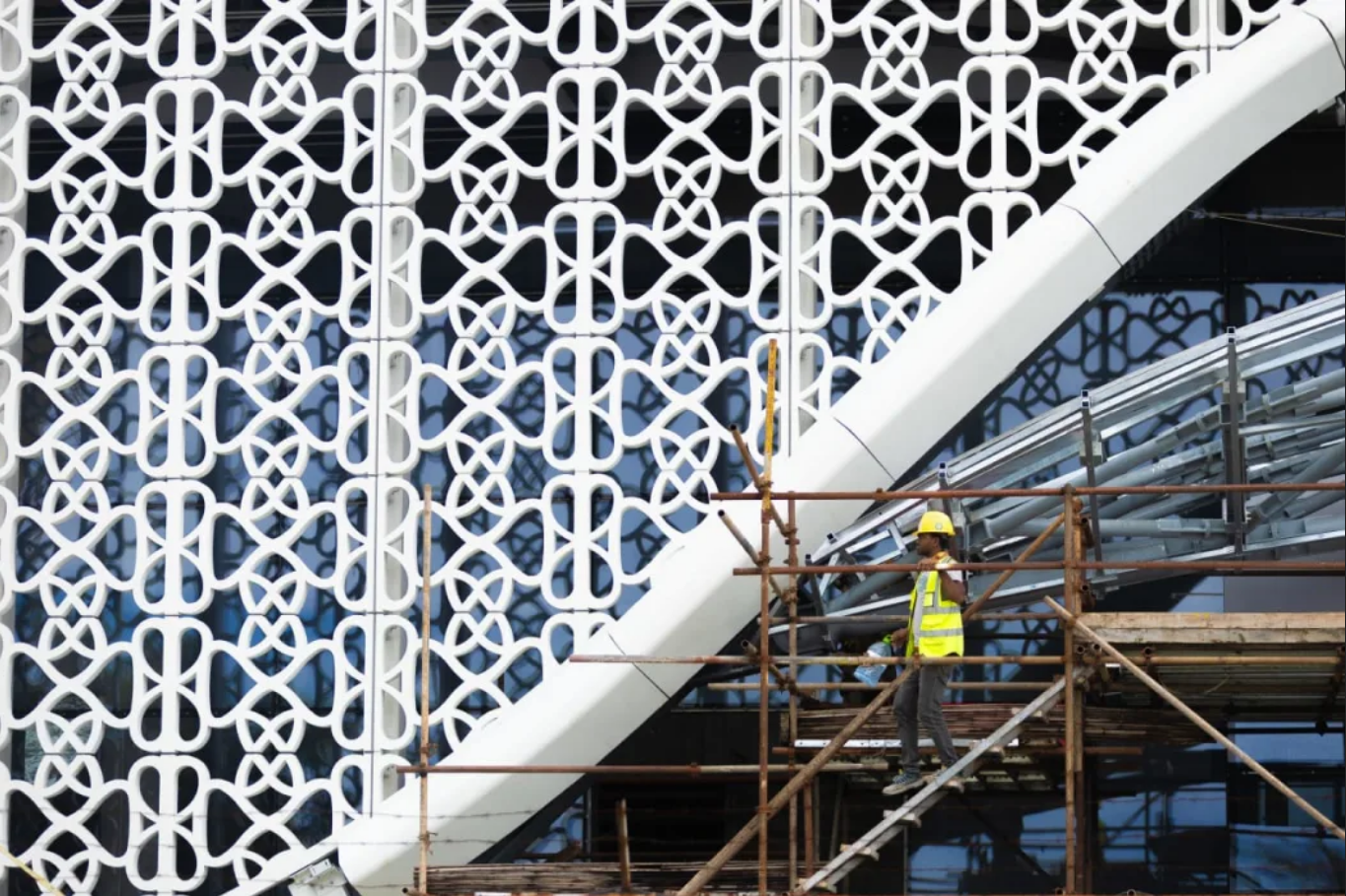
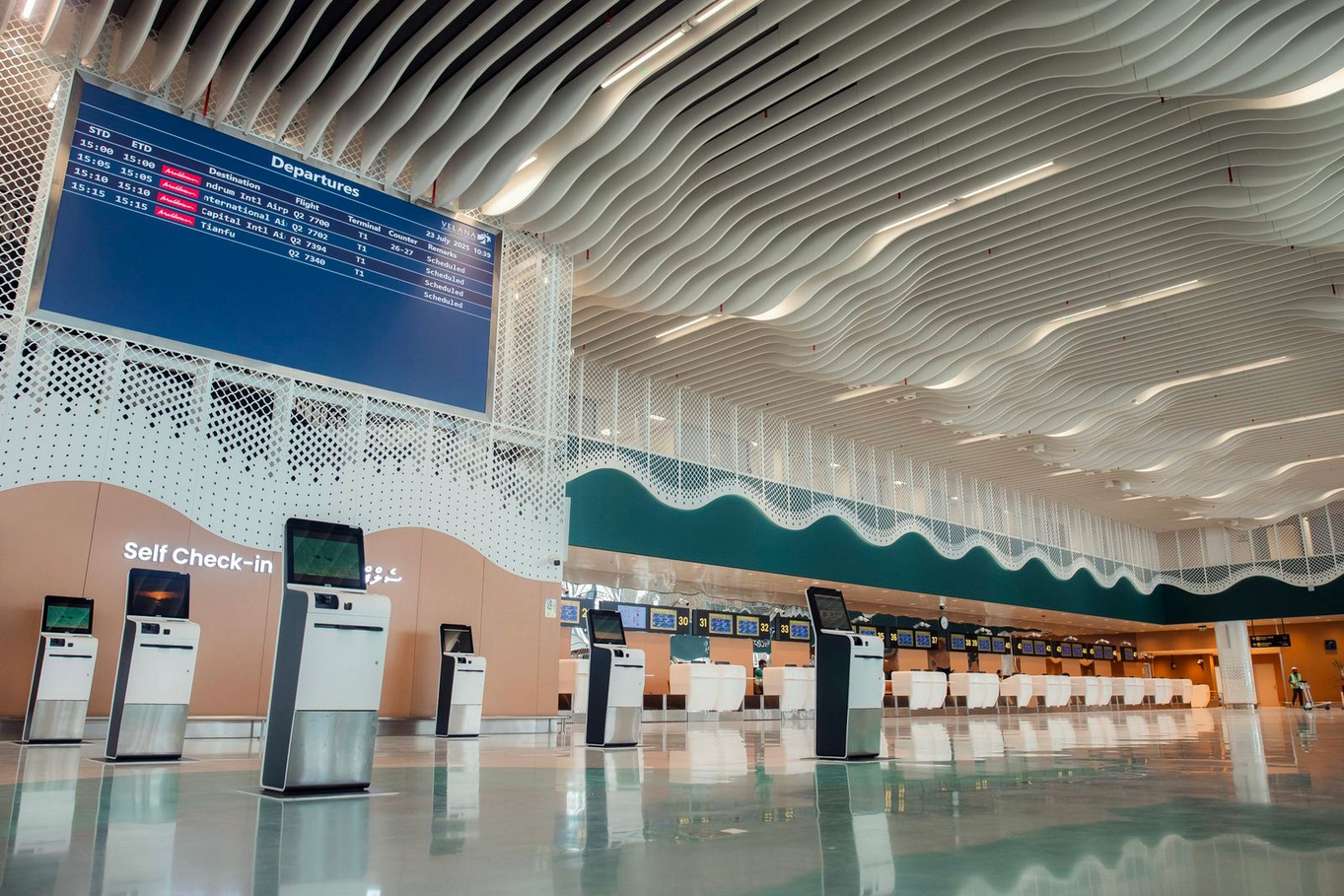
Buildings that draw on this vocabulary already exist in Malé. The Maldives National University main campus and the Velana International Airport terminals both use the blue-and-white palette, verandas, pillared facades, and decorative elements from the traditions described above. They read as Maldivian. The contrast with the dominant trend in recent construction – bright single-colour panels, tinted glass, featureless concrete – is visible on any walk through the city. The guidelines are not about criticising any particular building or business. They are about ensuring that what gets built next has something to draw from.

Maldives National University main campus with blue-and-white design
MNU main campus – blue-and-white palette, pillared walkways, bougainvillea
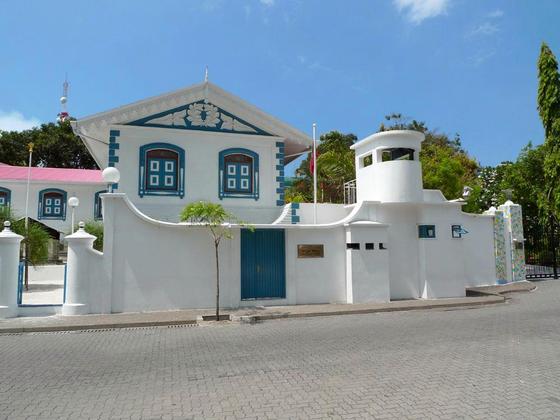
Traditional Maldivian building with Munnaaru tower
Traditional blue-and-white architecture with Munnaaru tower
Velana International Airport new terminal with Islamic geometric screen facade
Velana International Airport new terminal – Islamic geometric patterns as architectural screens
VIA new terminal exterior showing Islamic geometric screen panels
Geometric screen panels (Adhadhu)
VIA new terminal interior with ocean wave ceiling and geometric screens
Ocean wave ceiling and geometric screens (Condé Nast Traveller)
Close-up of VIA wave-form ceiling design
Wave ceiling close-up (Aiko Aiham / Condé Nast)
Implementation

How the guidelines would work

The design language is not a preservation mandate or a requirement to build replicas of historical structures. It is a vocabulary – a set of colours, materials, patterns, and proportions that new buildings can draw from to create a coherent visual identity across the city. Implementation follows a graduated approach:

The goal is a city that, over time, develops a recognisable visual character – not through rigid uniformity, but through a shared set of references that individual buildings interpret in their own way. The same approach that gave Santorini its white-and-blue cliff villages or Jaipur its pink sandstone facades, applied deliberately rather than waiting for it to emerge on its own.